FAQs - Getting Started in Beekeeping
One of the most common questions I hear, at least beekeeper to beekeeper, is “So, how did you get started in bees?”
My short answer: I read a book.
My longer answer: More accurately, I read lots of books.
In 2020 (yes, the COVID years), we bought a house. We had a one-year-old with another on the way and the lure of a backyard space, even a small one, was too enticing to pass by. Also, we had just moved to Grand Rapids from Washington DC and home ownership was finally financially possible.
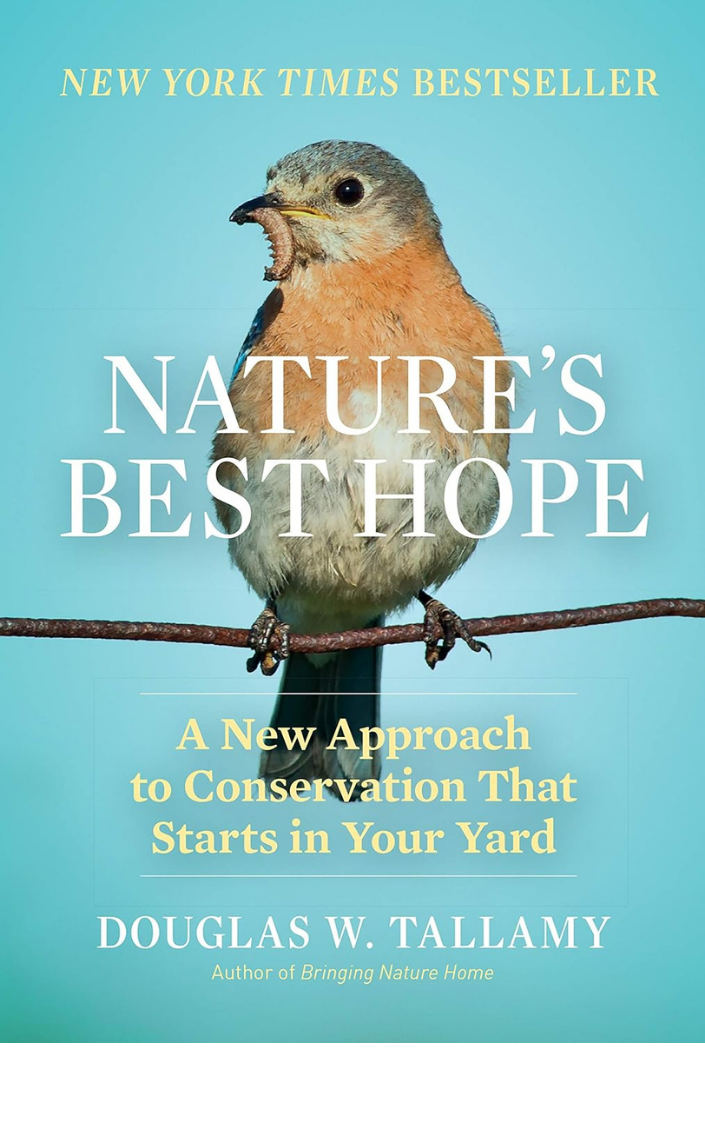
Backyards equated to lawn space as well as dozens of random flowers and fauna from seven decades of previous owners. I have always been an avid reader and, in figuring out what to do with this space, came across Douglas Tallamy’s book Nature’s Best Hope. The book introduced me to the concept of Homegrown National Parks (google it) and the importance of local ecosystems and native species. I started planting native plant beds and watched as butterflies, bees, lightning bugs and more showed up. And I kept reading.
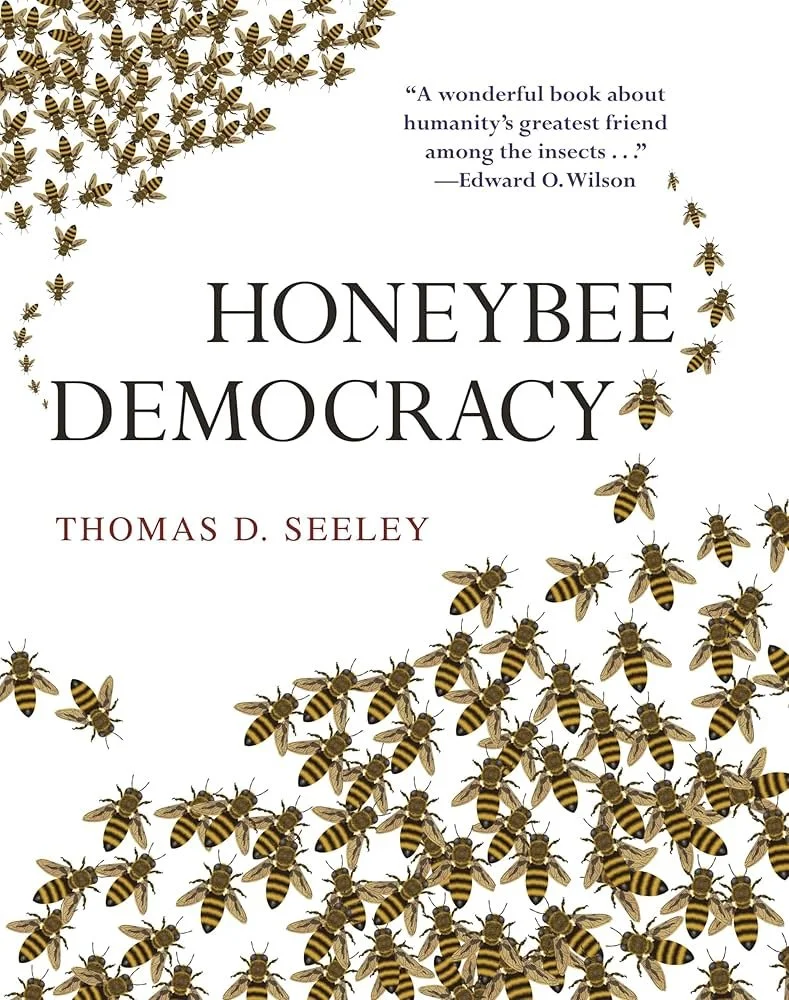
Eventually, in late-2024 I read Honeybee Democracy by Thomas Seeley and was fascinated by both the lives of this social insect but also, and even more so, that people studied them. I am a behavioral economist by profession and was enthralled to read about experimentation with honey bees to learn their home preferences, how they communicate, and how they arrived at collective decision making. Within a year I read over 20 additional books on beekeeping and honey bee behavior and had started my first hives.
I would be remiss in not acknowledging the conflict between the two books that brought me the closest to becoming a beekeeper. Honey bees, as we know them, are not native to the Americas (though there are native stingless honey bees in the subtropics). There are concerns that honey bee populations compete with our over 4,000 native U.S. bee species and may be vectors for disease. I haven’t reconciled my love of building and supporting native ecosystems with that of managing and learning from honey bees. That said, I continue to follow my curiosity and the research, consume large quantities of literature, and plant flora to support both (a rising tide lifts all boats).
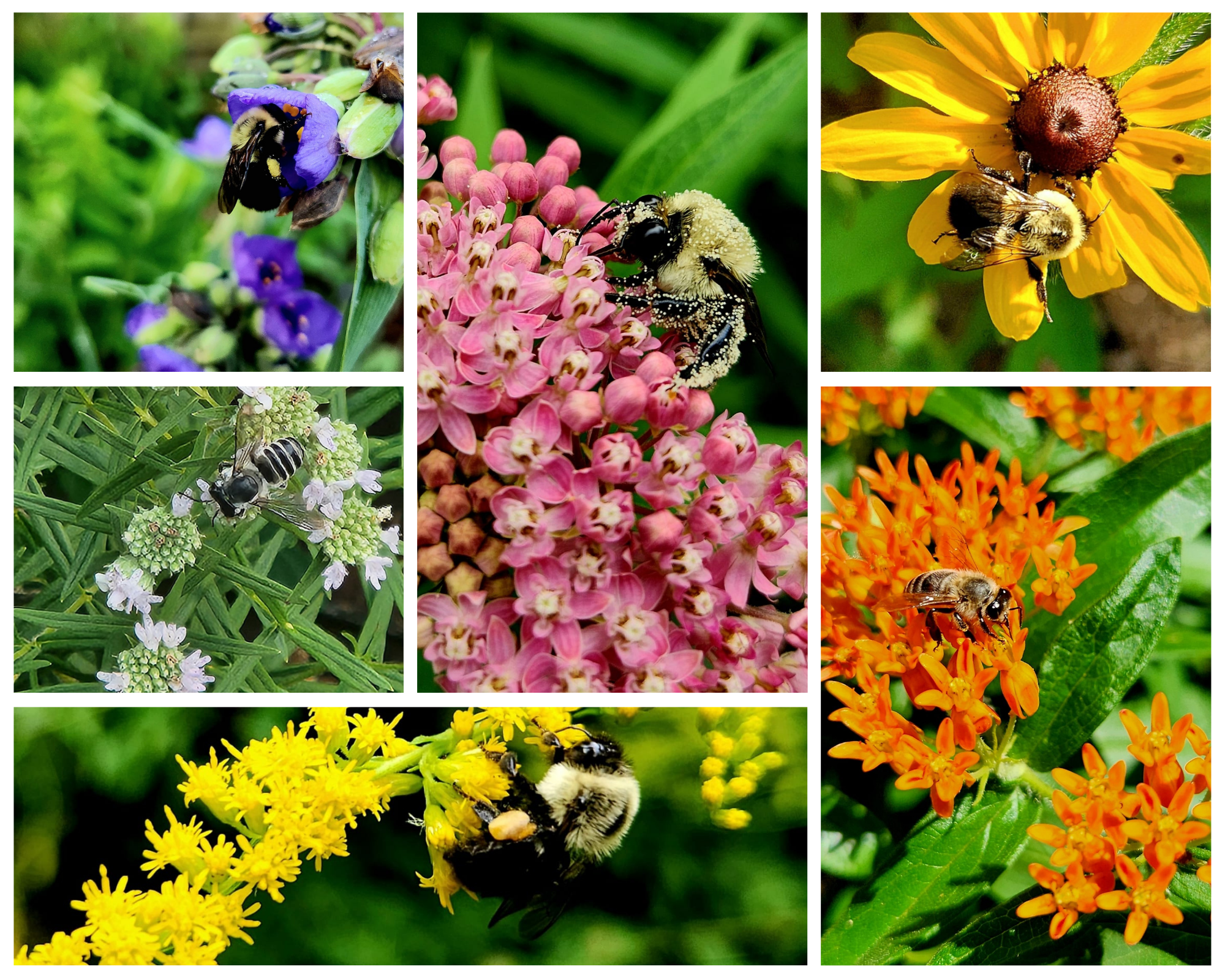
Backyard photos of native flora and bees.
